Occlusive regeneration technique

Stability. Protection. Long-term predictability.

In vertical bone regeneration, the real goal is not merely to create new bone.
It is to keep it stable, dense, and protected over time.
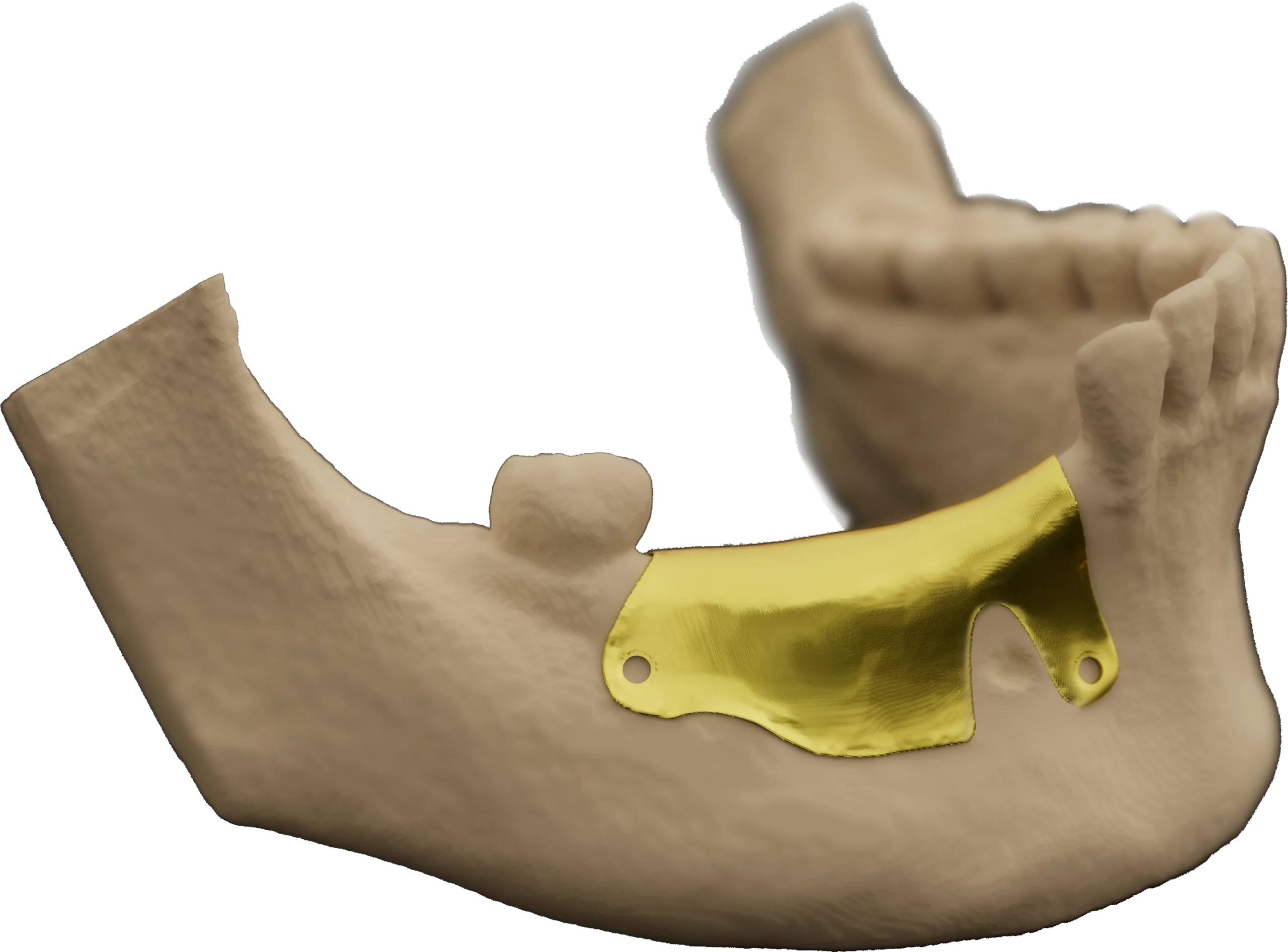
The occlusal barrier technique was developed to address this need: to create a regenerative space that is completely isolated, stable, and controllable throughout all stages of healing.

The biological principle: protecting the regenerative zone

Guided regeneration works when three key factors are met:

Clot stability

Stabilization of the graft material

Complete exclusion of soft tissue

The occlusive technique strictly adheres to these principles, creating a complete barrier that prevents soft tissue migration and protects the developing bone mass.

Want to learn more?

Please contact our Ask Service team.
We will get back to you with all the information you need.
Reduction in biological complications

The occlusive technique offers:

Greater graft protection

Reduced risk of early contamination

Better management of complex cases

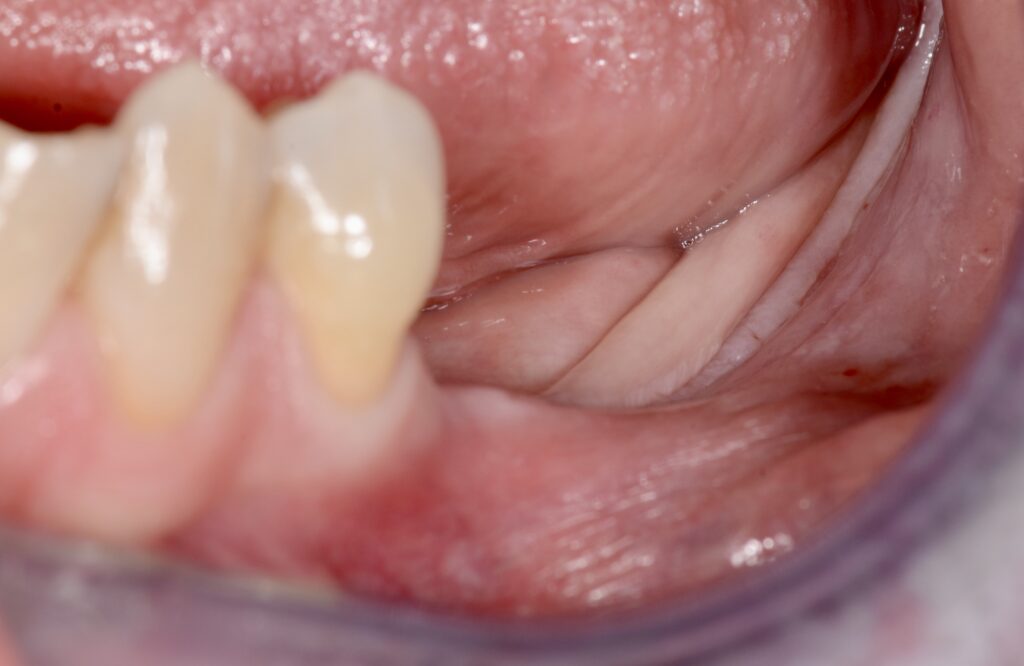
Initial condition: Note the area of bone atrophy and the lack of attached gingiva

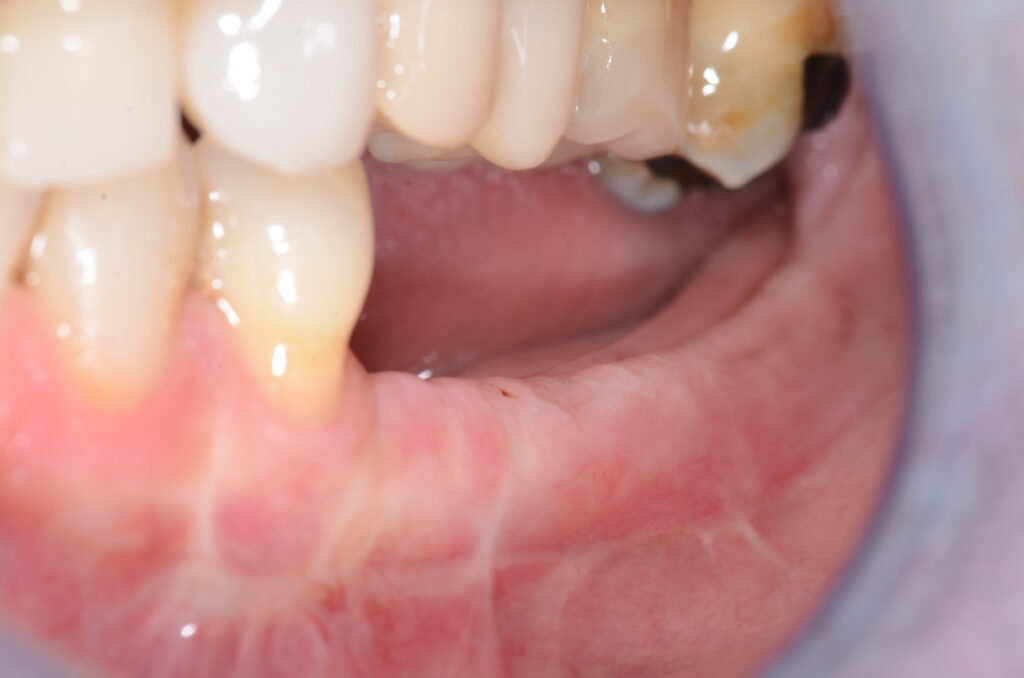
After 3 months, the regenerated ridge can be seen, along with an increase in attached gingiva.

Courtesy of Dr. Fabio Perret

A more predictable and less operator-dependent procedure

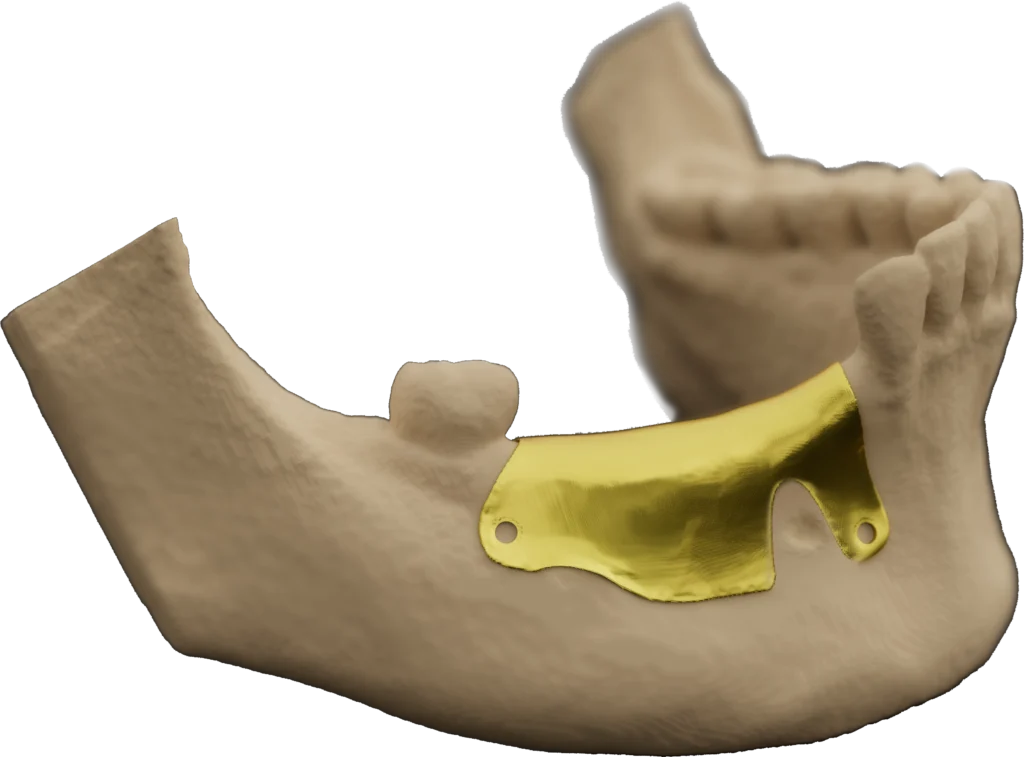
When the barrier is digitally designed based on the prosthetic plan:

Critical bone undercuts are avoided

Intraoperative adjustments are reduced

Installation and removal are simplified

Surgery times are being shortened

Related products

Aurix

Custom occlusal barrier

Want to learn more?

Please contact our Ask Service team.
We will get back to you with all the information you need.